
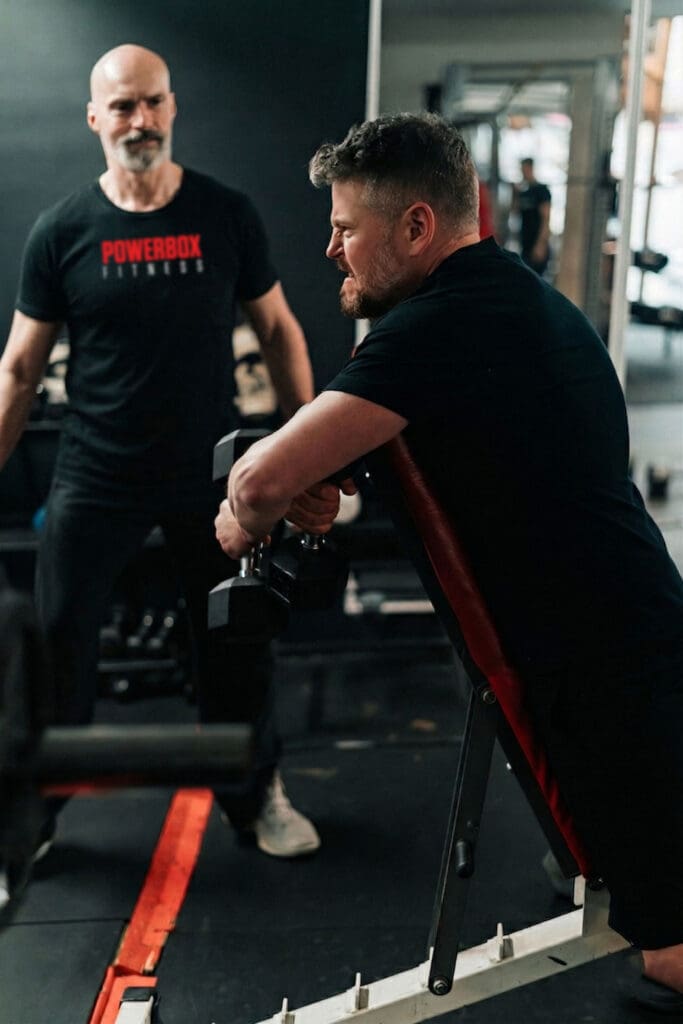
Searching for a personal trainer near Gastown Vancouver usually means you want more than a random workout. You want someone who can help you train safely, stay consistent, and make better use of your time in the gym.
Practical next step
Bring a one-page coaching brief
- State one primary outcome and what success would mean in 12 weeks.
- List the days and times you can reliably train.
- Note relevant preferences, constraints and prior experience.
The right trainer should give you structure, not just intensity. A hard session can feel productive, but progress comes from a plan that fits your current ability, schedule, and goals.
Start with the problem you want solved
Before comparing trainers, define what you actually need help with. Some people need strength training basics. Some need accountability. Some need help returning after a long break. Others need a smarter plan because they are training often but not seeing results.
A good personal trainer will ask questions before prescribing work. They should understand your training history, injuries or limitations, weekly schedule, and what a realistic routine looks like for you.
Look for coaching, not just exercises
A list of exercises is not the same as coaching. Coaching includes how movements are taught, how progress is tracked, how technique is adjusted, and how the plan changes when life gets busy.
When you speak with a trainer, listen for clear explanations. You should understand why an exercise is included, what it is supposed to improve, and how it connects to your larger goal.
The training environment matters
The gym itself affects the quality of your sessions. A crowded floor can make a good plan harder to execute, especially if you are waiting for equipment or changing the workout every few minutes.
PowerBox Fitness is a private membership gym in Gastown Vancouver, which gives personal training clients a more focused space to learn, practice, and build consistency. That environment can be especially helpful if you prefer a calmer training floor over a busy commercial gym.
Questions to ask before booking
- How will you assess where I am starting from?
- How will we track progress over time?
- What should I do between coached sessions?
- How do you adjust training if my schedule changes?
- Can the plan support strength, fat loss, mobility, or general fitness goals?
Choose a trainer you can actually stick with
The best personal trainer is not always the loudest or the most intense. The best fit is usually the coach who helps you repeat good training decisions week after week.
If you work or live near Gastown, downtown Vancouver, Chinatown, or the Stadium District, convenience also matters. A trainer near your daily routine removes one more barrier to showing up.
Book a focused first conversation
If you want personal training in Vancouver with a private gym environment, contact PowerBox Fitness to ask about coaching and book a visit. A short conversation can clarify your goals, the right starting point, and whether the gym environment fits what you need.
Related local training guides
- Gyms in Vancouver BC: how to choose the right fit
- Private membership gym Vancouver
- Gastown gym guide for downtown Vancouver
- Personal training in Gastown Vancouver
- Best personal trainer Vancouver guide
- Personal trainer downtown Vancouver
- Personal training for beginners in Vancouver
Test the complete Gastown training route
Location is useful only when it works at the time you actually plan to train. Before committing, test the door-to-door route from work, home or transit, confirm the building entrance and compare the trip at your likely morning, lunch or evening time.
Then evaluate coaching fit separately. Ask how the first assessment works, how sessions progress, what you should do between appointments and how independent training can be combined with coaching. A convenient address cannot compensate for unclear coaching, and good coaching is harder to use when the journey does not fit your week.
Questions for the first consultation
- What information do you need about my goals, training history and limitations?
- How will the first four weeks be structured?
- How will progress and technique be reviewed?
- What happens when work or travel disrupts a session?
- Can the plan be repeated independently in the same gym?
Use a two-part trainer scorecard
Separate convenience from coaching quality so a strong result in one category does not hide a weak result in the other. After a conversation or visit, score each item as clear, partly clear or unresolved.
Route and schedule fit
- Can you reach the building reliably from the place you will usually start?
- Do the proposed appointment times work during an ordinary week rather than only an ideal week?
- Is there enough door-to-door time for travel, changing, the session and a small delay?
- Can you practise independently between coached sessions if that is part of the plan?
Coaching process fit
- Does the trainer ask about goals, experience, relevant limitations and schedule before proposing exercises?
- Can they explain how the first month will be assessed, progressed and reviewed?
- Do they describe how technique feedback and independent sessions will work?
- Can they adapt the plan when work, travel or recovery changes?
An unresolved safety concern, an evasive answer about the process or pressure to commit before your questions are answered should not be averaged away by a convenient location.
Compare the same scenarios
Give each trainer the same one-page brief and ask how they would handle three ordinary situations: a normal week, a week with only one available session, and a movement that becomes uncomfortable. Comparing the same scenarios makes the difference between coaching approaches easier to understand.
The goal is not to find a perfect sales answer. Look for a process that is clear, appropriately cautious and realistic for your schedule. Then test whether the Gastown route and training environment make that process easier to use consistently.
Before deciding, write one evidence note beside each score—for example, the trainer described a four-week review or the route was tested at 6 p.m. Evidence notes make the comparison less dependent on a polished sales conversation and easier to revisit after several visits.